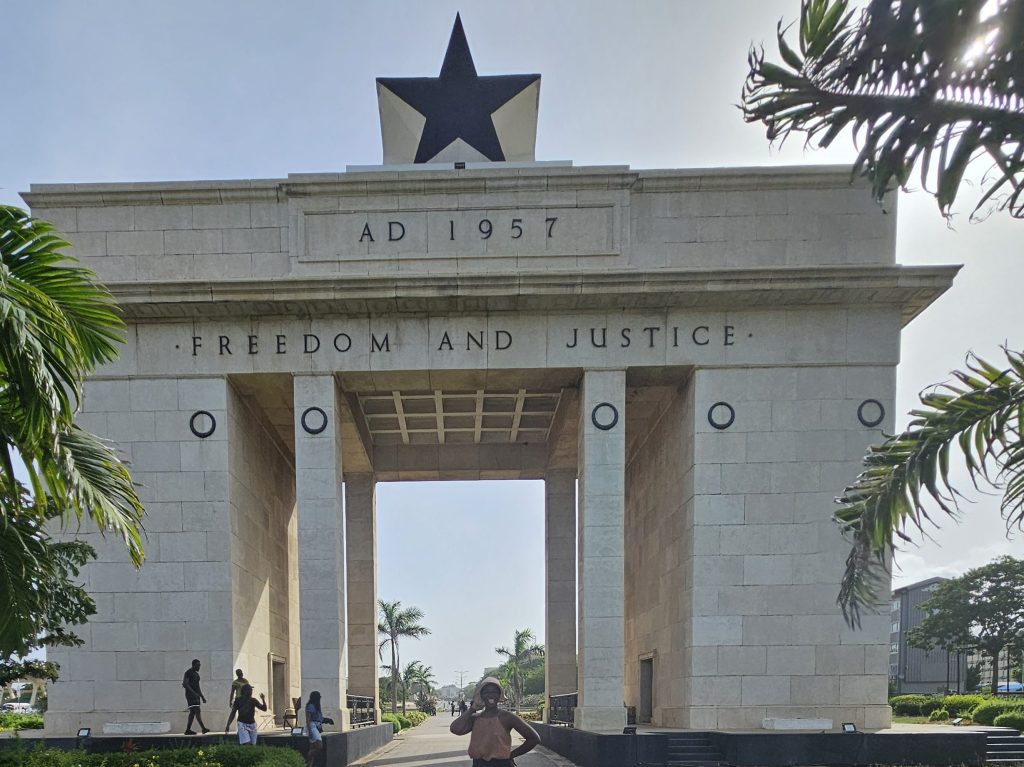
The Ghanaian Food to the World! A Flavorful Journey Through Food, Culture & Tribes
Written by Nana Aba Appitatewaa

Have you ever wondered what it tastes like to dig into centuries of culture and community? Now picture yourself landing in Accra, suitcase in hand, and your stomach starts doing little happy dances because your nose already smells something amazing. That’s the magic of Ghana, every dish you taste comes wrapped in centuries of culture, community, and crazy flavor and every dish feels like a hearty hug.
Over the years, I’ve eaten my way from Accra to Tamale, discovering how food tells the story of Ghana’s tribes, traditions, and a playful rivalry that roasts more than peppers. So, strap in, because today, I’m putting on the hat of your new favorite food blogger and this, is your food blogger’s guide to Ghanaian cuisine for first-time travelers and digital nomads alike.

Your journey starts with Waakye: rice and beans, slow-cooked with dried millet leaves that give it that deep burgundy hue. It’s typically served with shito (hot pepper sauce), spaghetti, avocado, gari (milled and dried cassava) and boiled eggs. Originally a staple of the Northern tribes, waakye has become a national breakfast hero, from Tamale to Accra and to every part of Ghana, proof that food crosses borders easier than people. So yes, if you see vendors on the roadside scooping it into bowls at any time of the day, jump in line, you won’t regret it.
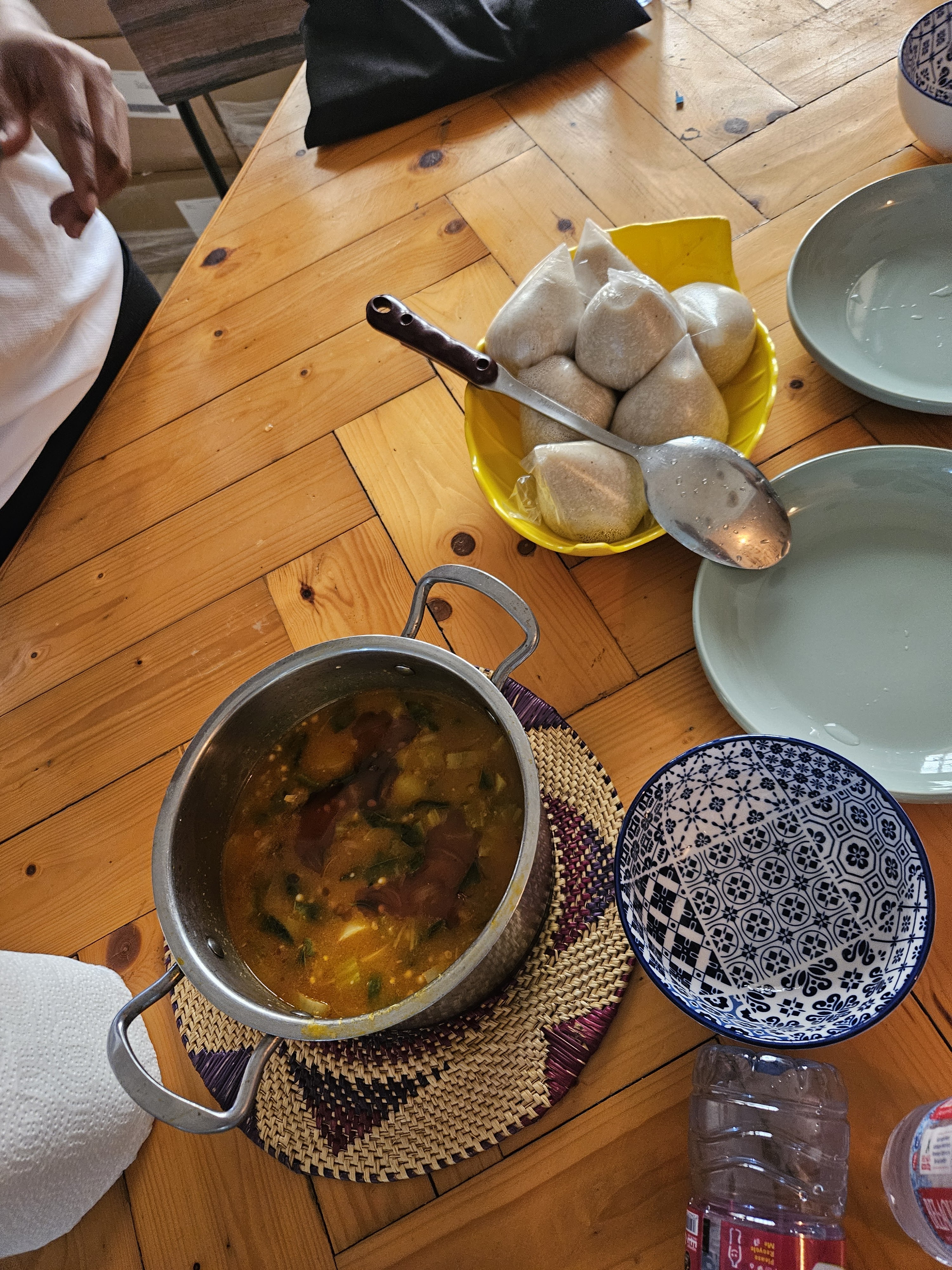
Next, meet Banku and Tilapia, a beachside love story told by the sea tribes: Fante, Ewe, and Ga. Banku is made from fermented cassava and corn dough, paired with succulent grilled tilapia, drenched in hot and flavorful spices, and some fiery pepper sauce on the side. For extra mouth watering experience, vegetables such as onions, bel pepper and tomatoes are sliced on that place. My extra tip, eating it with your hands and scooping up the sauce feels primal, social, and absolutely delicious. Each bite whispers “welcome to coastal Ghana.” People say a well spiced and perfectly grilled tilapia head is always better than the tail. Maybe you could judge that on your next trip to Ghana.

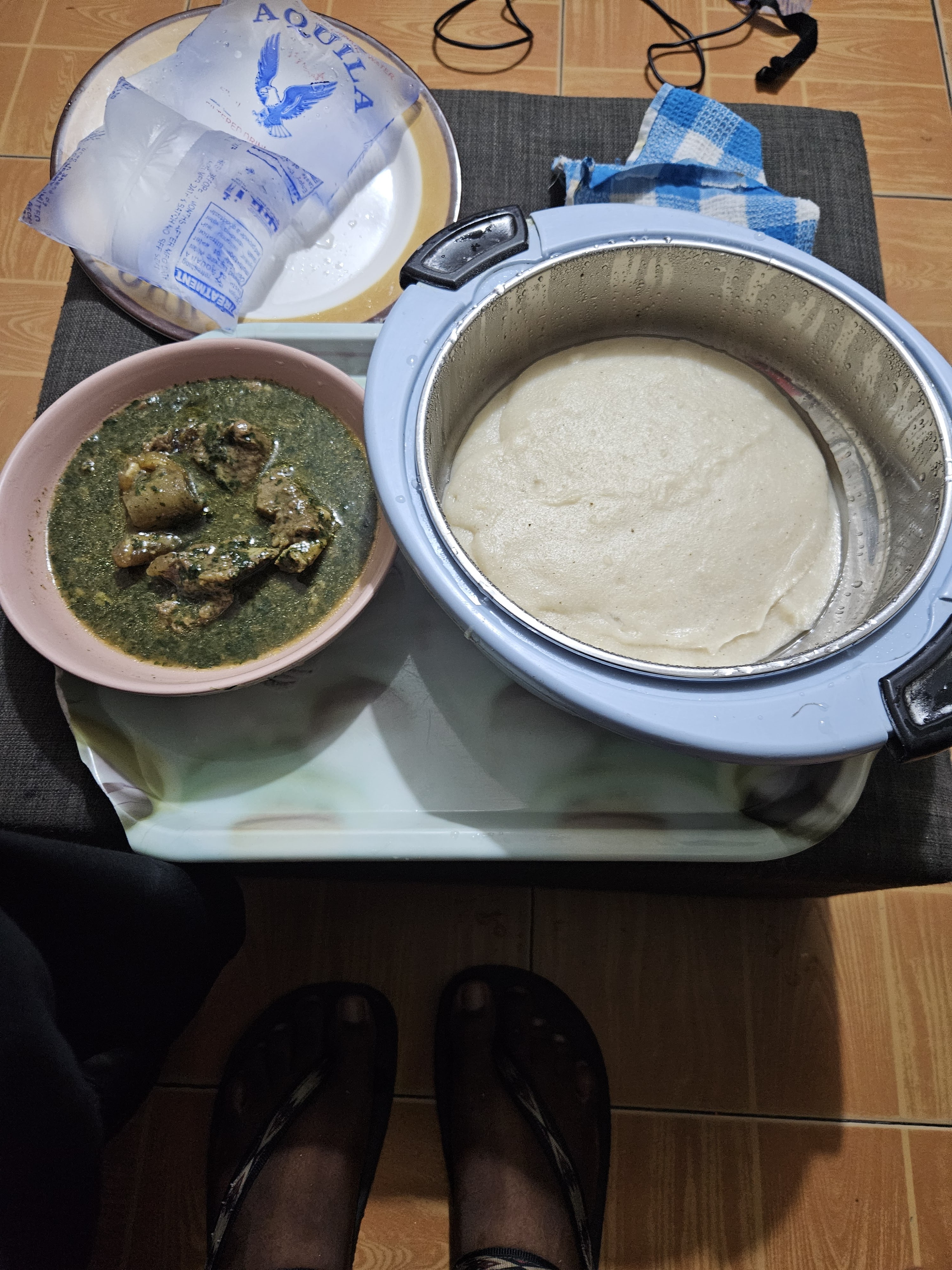
Then there’s fufu, the Ghanaian “swallow” that unites the country. I call it, “the ultimate unifier”. Pounded from cassava, plantains, or yam, this starchy favorite is paired with groundnut soup,light soup, or green soup (made with cocoyam leaves). Traditionally pounded with a pestle and mortar, fufu making is a communal event. It’s the kind of meal that brings people together, literally and spiritually, as family members or friends take turns in pounding the dough.
Travel south and you’ll encounter Aprapransa, a festive dish from the GaDangme that mixes roasted corn flour with palm nut soup. Its origins go back to harvest rituals like Homowo, a time of celebration, remembrance, and abundant food. It’s mostly served with some crabs. Each spoonful tastes like centuries of gratitude and community. It’s rich and comforting, like warmth in a bowl, with a story behind every bite.
Head inland to Kumasi and you’ll find “Abunuabunu” a vibrant green soup of cocoyam leaves, turkey berries, smoked fish, and spices. In a rich “Abunuabunu”, you will find snails and crabs. It pairs beautifully with fufu and is a testament to Akan traditions of fresh, leafy greens and communal meals. For some magical reasons, our African mothers make us drink this when we have fever and surprisingly, give us some few hours and we are back on our feet. We don’t know the medical backing for this but it begins to feel like parasites can’t stand that hot African spices
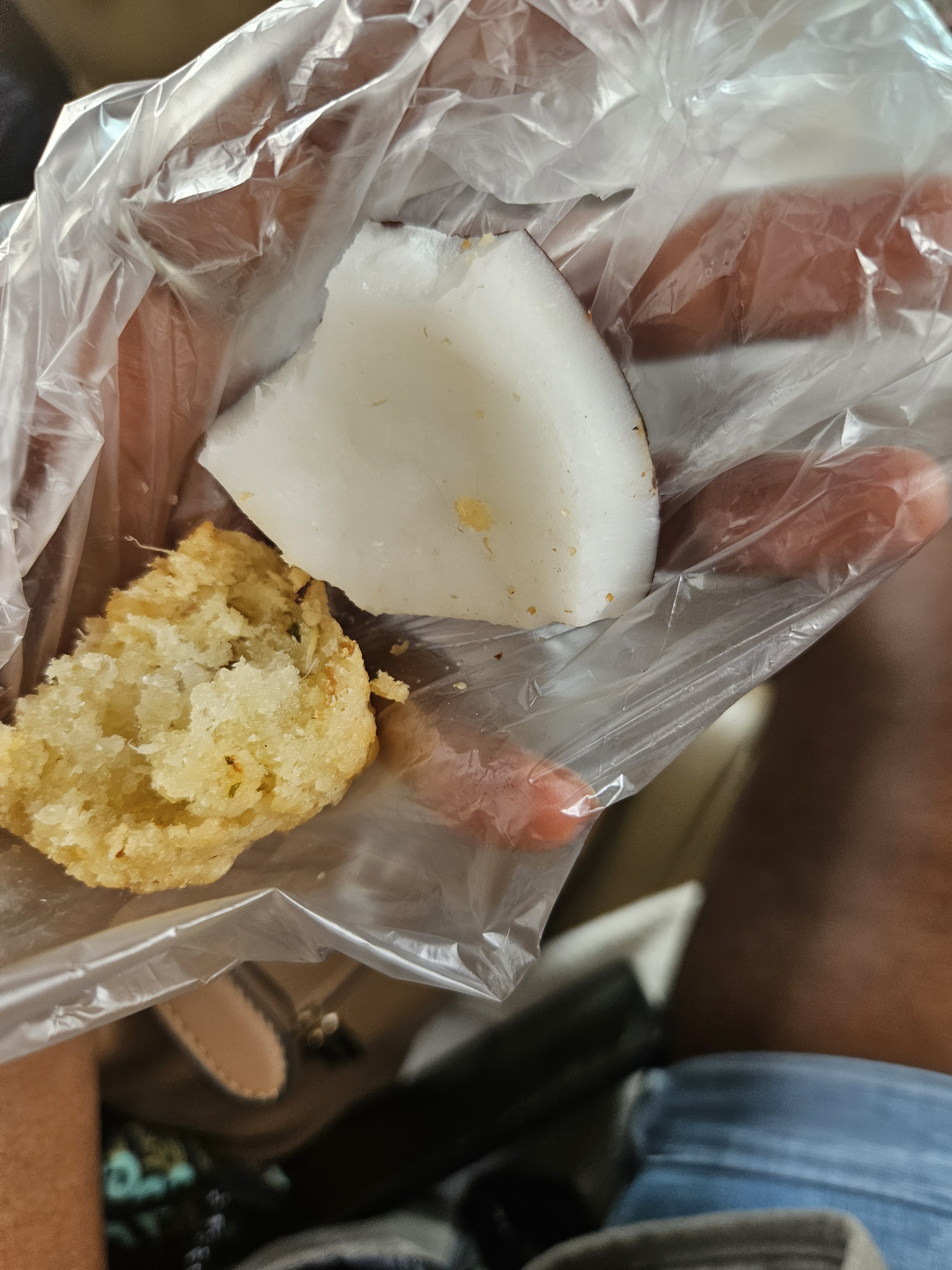
You can’t talk street food without kelewele, the spicy-sweet fried plantain bites dusted with ginger, garlic, and chilies. It’s what you eat with ice-cold beer and Afrobeats playing in the background. It’s Accra’s happy hour on a plate. Don’t forget to ask for some roasted groundnut on the side. Mmmmmmmm, it tastes like heaven!
And then… the grand finale: Jollof Rice. You can think of it as the scale’s biggest showstopper. This spicy, aromatic classic is everywhere, from weddings to holiday parties. Ghana vs. Nigeria? The jollof debate rages on, but Ghanaian fans quietly (or not so quietly) argue their version is fluffier, more fragrant, and subtly seasoned. (Wink.) Pair it with fried chicken or fish, and you’ve got a party on your plate. For more magic, add some fried plantains, egg and hot “shito”. And if you hear friendly banter about whose is better (Ghana or Nigeria), smile, dig in, and let your taste buds be the judge.

Here, it’s not only about eating, you’re traveling through history. Want to photograph your food and your life on the road? Ghana gives you flavors that explode on camera and taste even better. The ingredients are local, the stories are real, and the hospitality is unmatched. Each meal feels like sitting down with new friends at a family table and laughing about the size of the pepper.
Why you should come hungry to Ghana:
1. Learn how food shapes culture across tribes and regions.
2. Taste unforgettable dishes you won’t find anywhere else.
3. Capture colorful food moments for your blog, your Insta, your soul.
4. Connect with locals over spicy banter and shared love for jollof, waakye, and co.
5. Join cooking classes in Kumasi or Accra to pound your own fufu, tradition and muscles in one!
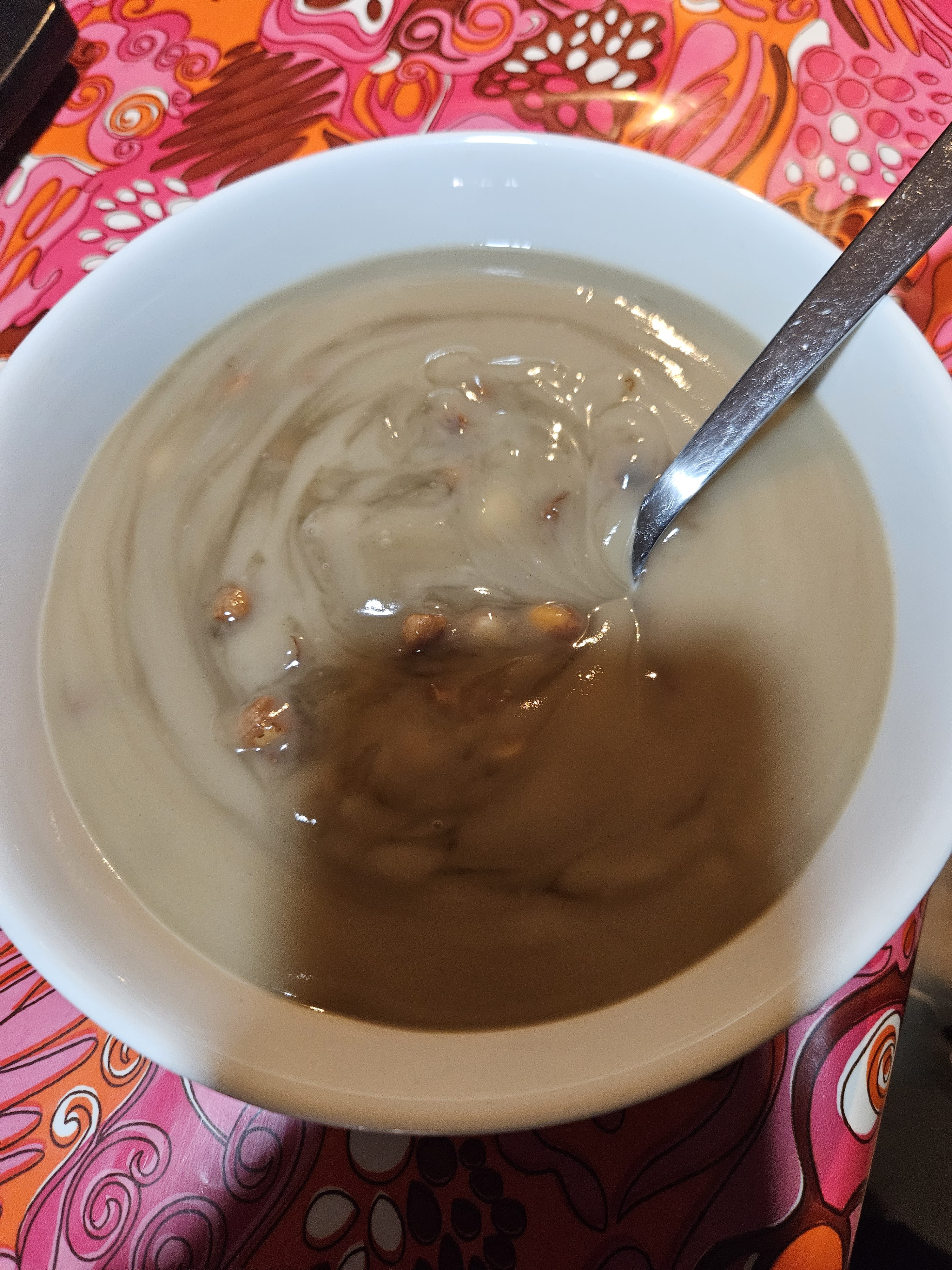
So bring an empty stomach, an open heart, and your sense of adventure. Ghanaian cuisine isn’t just a meal, it’s a celebration, an education, and an invitation. And as you bite into each dish, you’ll discover what makes Ghana one of the world’s most exciting food destinations. For international travelers, first-time visitors, and digital nomads, Ghana’s food scene is the ultimate gateway into its tribes, traditions, and warm hospitality.
Grab your bag, maybe I’ll meet you at a kekewele joint one evening.
As Always Thank You for Reading My World, My Vision, My Adventure!
Don’t forget to Subscribe, Follow, and Like my Pinterest, Facebook, Instagram pages. Until next time Happy Traveling!
 AllThingsBiola